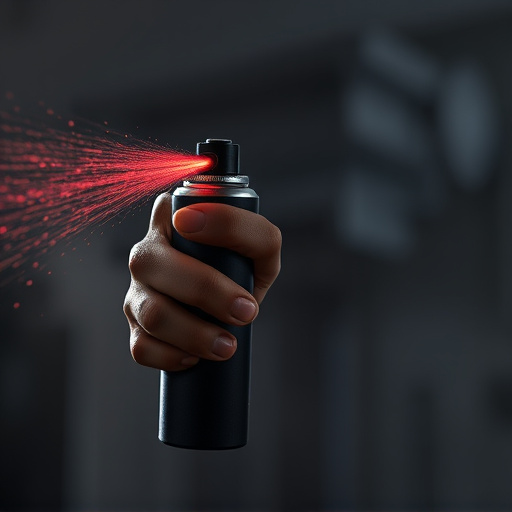
After pepper spray exposure, immediate treatment is crucial. Flush affected areas with water for 15+ minutes, seek fresh air, and apply over-the-counter pain relievers. For eye contact, gently wash eyes with warm water for 15 minutes; for skin, remove contaminated clothing, wash with soap & water, and apply cold compress. Treatment within 30 seconds to one minute minimizes symptoms. Severe cases or persistent symptoms require medical attention, emphasizing the importance of swift action within treatment time frames.
Personal security is a top priority, and pepper spray, a powerful defense tool, can often be a game-changer. However, understanding its exposure risks and knowing the right treatment steps are crucial. This article delves into the intricacies of pepper spray exposure, offering insights on managing irritation during critical time frames. From recognizing exposure to first aid techniques, we provide essential knowledge for effective response, ensuring individuals are equipped to handle pepper spray incidents swiftly and safely, especially considering the time sensitivity in treatment.
- Pepper Spray: Understanding Exposure Risks
- Treatment Steps After Pepper Spray Contact
- Time Sensitivity in Pepper Spray Irritation Management
- Effective First Aid for Pepper Spray Exposure
Pepper Spray: Understanding Exposure Risks
Pepper spray, a popular personal security product, can be an effective deterrent against potential threats. However, understanding the exposure risks associated with pepper spray is crucial for its safe and responsible use. When exposed to pepper spray, individuals may experience temporary blindness, difficulty breathing, and intense pain. The treatment time for these symptoms varies depending on several factors, including the concentration of the spray, the amount of spray inhaled or contacted, and individual sensitivity.
In general, the effects of pepper spray can start within seconds after exposure, peaking in intensity within minutes. Treatment typically involves flushing affected areas with water to dilute the spray, seeking fresh air, and applying over-the-counter pain relievers for discomfort. It's important to note that medical attention may be necessary for severe reactions or if symptoms persist beyond the typical dissipation time of pepper spray effects.
Treatment Steps After Pepper Spray Contact
After pepper spray exposure, immediate treatment is crucial to mitigate discomfort and reduce potential long-term effects. The first step is to flush the affected area thoroughly with plenty of clean water for at least 15 minutes. This helps to dilute and wash away the irritant chemicals. Seeking fresh air is also essential; move to a well-ventilated area as soon as possible to minimize inhalation of residual spray.
For eye exposure, seek medical attention immediately, even if symptoms seem mild. Rinse eyes gently with clean water for at least 10–15 minutes, lifting the lower and upper eyelids occasionally to ensure thorough irrigation. Avoid using any eye drops or medications without professional advice. For skin contact, remove any contaminated clothing and wash the affected area gently with soap and warm water. Applying a cold compress can help reduce pain and swelling. In all cases, treatment time should be swift to ensure the best outcomes.
Time Sensitivity in Pepper Spray Irritation Management
The effectiveness of pepper spray irritation management is heavily dependent on one critical factor: time sensitivity. The initial exposure to pepper spray can cause immediate and intense irritation, but the human body's response to capsaicin, the active ingredient, evolves over time. Prompt treatment is essential; waiting even a few minutes can significantly impact the severity of symptoms.
Understanding the time sensitivity aspect means that quick action is crucial for mitigating the effects of pepper spray exposure. Early intervention, typically within 30 seconds to 1 minute, can help reduce pain and minimize breathing difficulties. This rapid response window is vital, especially in high-stress situations, as it allows individuals to regain control and safety before symptoms escalate.
Effective First Aid for Pepper Spray Exposure
In the event of pepper spray exposure, immediate and effective first aid is crucial. The treatment time for Pepper Spray Exposure varies based on the severity of symptoms, but it's essential to act swiftly. Start by removing any contaminated clothing or accessories from the affected area to prevent further irritation. Then, gently wash the eyes with clean, warm water for at least 15 minutes. This step is vital as it helps to dilute and flush out the pepper spray chemicals.
For respiratory distress, move the individual to a well-ventilated area immediately. If breathing is severely impacted, administer oxygen if available, and seek medical assistance promptly. Moisturizing the skin can help alleviate burning sensations or discomfort. Apply a cool compress or damp cloth to the affected areas but avoid using ice directly on the skin to prevent freezing damage. Remember, treatment time should be considered an estimate, and seeking professional medical advice is always recommended for severe cases of Pepper Spray Exposure.
In conclusion, pepper spray exposure is a significant concern that requires prompt and effective treatment. Understanding the risks, knowing the steps for management, and recognizing the time sensitivity of irritation are crucial components in mitigating the impact of pepper spray. By implementing these strategies, individuals can enhance their personal security and ensure timely care during inflammatory defense scenarios involving pepper spray exposure.
In 2026, advancements in pepper spray technology and a deeper understanding of its impact on the human body have led to refined treatment guidelines. Research has shown that the rapid evolution of pepper spray formulations requires constant updates to first aid protocols. Today, experts advocate for a more nuanced approach, focusing on personalized treatment plans based on age, health, and the specific type of pepper spray used. For instance, the latest studies suggest that certain medical conditions, such as asthma, may heighten sensitivity to capsaicin, necessitating tailored interventions. Additionally, the integration of digital health tools, like smartphone apps, provides real-time guidance during exposure incidents, offering step-by-step instructions for both victims and first responders. These innovations underscore the importance of staying informed and adaptable in the ever-changing field of pepper spray safety and treatment. Mastering Pepper Spray Exposure Treatment and Prevention (2026 Update)