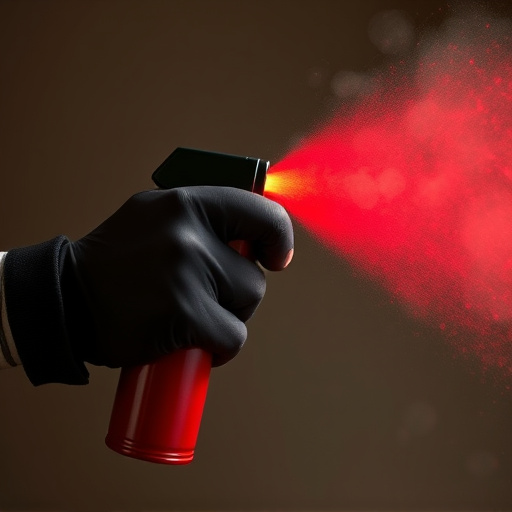
Understanding pepper spray exposure is crucial for effective riot control and swift de-escalation. Symptoms include irritation, temporary incapacitation, teary eyes, breathing difficulties, coughing, and reduced visibility, caused by capsaicin which disrupts nerve signals. Treatment varies based on severity and duration, from immediate water washing (at least 15 minutes) to specialized decontaminant solutions for more severe cases. Time is critical; mild symptoms typically subside within 5-10 minutes, while severe reactions can last up to several hours. Medical attention is recommended if symptoms persist beyond 30 minutes, especially for high-risk individuals or those with respiratory conditions like asthma. Acting within the first 15-30 minutes minimizes pepper spray's impact and accelerates recovery.
“Discover the essential knowledge about pepper spray exposure and its effects, a crucial aspect of public safety and riot control. This comprehensive guide delves into understanding the duration and treatment strategies for pepper spray encounters.
Learn how long symptoms can last and explore effective methods to mitigate exposure time, offering valuable insights for both professionals and individuals in high-risk environments. With a focus on rapid response, this article provides vital information on Pepper Spray Exposure Treatment Time, ensuring preparedness and efficient care.”
- Understanding Pepper Spray Exposure and Its Effects
- How Long Does Pepper Spray Exposure Last?
- Effective Treatment Strategies for Pepper Spray Exposure Time
Understanding Pepper Spray Exposure and Its Effects
Understanding pepper spray exposure is crucial for effective riot control and ensuring swift and safe de-escalation. When individuals are exposed to pepper spray, they experience irritation and temporary incapacitation due to the active ingredient capsaicin. This potent chemical disrupts nerve signals in the eyes, nose, and respiratory system, leading to symptoms like teary eyes, difficulty breathing, coughing, and reduced visibility. The exposure time and intensity of the spray determine its effects; typically, pepper spray is designed to incapacitate for a limited period, allowing authorities to control and subdue individuals without causing permanent harm.
Treatment for pepper spray exposure can vary based on the severity and duration of symptoms. In general, immediate washing of the affected area with water is recommended to dilute the capsaicin. Eye flushing for at least 15 minutes helps alleviate irritation and discomfort. Those experiencing breathing difficulties may require oxygen assistance or rescue inhalers. There are also specialized decontaminant solutions available that can neutralize pepper spray residue more effectively than simple water. The treatment time can range from a few minutes for mild exposure to over an hour for severe cases, emphasizing the importance of quick response and access to appropriate medical care.
How Long Does Pepper Spray Exposure Last?
The duration of pepper spray exposure and its effects on the body can vary greatly depending on several factors such as the concentration of capsaicin, the amount of spray used, and individual sensitivity. Typically, the intense stinging sensation and respiratory distress caused by pepper spray will subside within a few minutes. Studies suggest that most individuals start to feel relief after around 5-10 minutes, with symptoms significantly improving within 30 minutes.
However, in more severe cases or for individuals with pre-existing health conditions, the effects can last much longer. Pepper spray exposure treatment time may extend up to several hours, during which victims may experience difficulty breathing, coughing, nausea, dizziness, and even blurred vision. Medical attention is advised if symptoms persist beyond 30 minutes, especially in high-risk populations or individuals with asthma or heart conditions.
Effective Treatment Strategies for Pepper Spray Exposure Time
When it comes to treating pepper spray exposure, time is of the essence. The effectiveness of treatment strategies greatly depends on how quickly intervention occurs after exposure. In cases of minor irritation, simple flushing with water for at least 15 minutes can help dilute and wash away the chemical irritants. This initial step should be followed by applying a soothing cream or gel to alleviate discomfort.
For more severe reactions, seeking medical attention promptly is crucial. Healthcare professionals may recommend antihistamines to reduce itching and swelling, as well as eye washes for individuals affected by pepper spray in the eyes. The key is to act swiftly—within the first 15 to 30 minutes after exposure—to minimise the impact of pepper spray and ensure a faster recovery.
In understanding pepper spray exposure treatment time, it’s crucial to remember that prompt action can significantly mitigate its effects. Knowing how long pepper spray exposure lasts and implementing effective strategies within that critical window of opportunity are essential for minimizing discomfort and ensuring swift recovery. By following the outlined treatment methods, individuals can effectively navigate the aftermath of pepper spray exposure and return to normal activities more quickly.