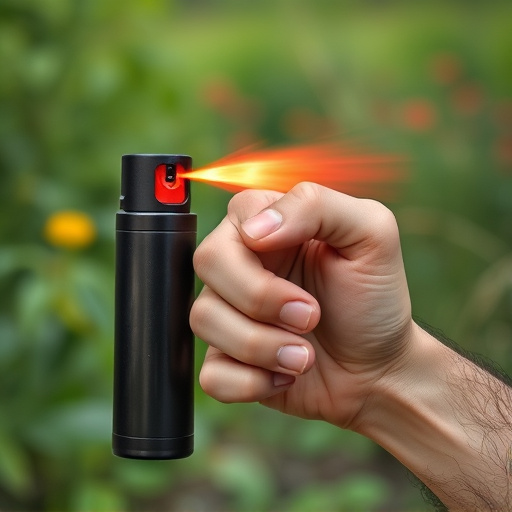
Understanding pepper spray exposure is crucial for effective treatment, varying by concentration and individual sensitivity. Symptoms appear quickly, aiming to temporarily disable the victim. Treatment begins with removing the individual from the affected area, followed by eye flushing with water for 15 minutes or more. Medical professionals may prescribe medication and offer guidance on managing symptoms lasting several hours. Tactical-grade pepper spray dispensers are essential tools for personal safety, providing a non-lethal force multiplier in high-risk scenarios. The optimal treatment time for pepper spray exposure is 10-15 seconds, requiring immediate action such as rinsing affected areas with water for at least 15 minutes to dilute and wash away the spray. Adhering to best practices ensures optimal effectiveness and safety, including regular training, proper maintenance, and replacing used or damaged components.
“Discover the power of tactical grade pepper spray dispensers, essential tools for personal safety in today’s uncertain world. This comprehensive guide explores the critical role these devices play in mitigating pepper spray exposure and its effects. From understanding the science behind pepper spray to navigating key features and optimal treatment times, we demystify effective management. Learn best practices for usage and maintenance, ensuring your equipment is ready when you need it most. Maximize your protection with strategic insights on pepper spray exposure treatment time.”
- Understanding Pepper Spray Exposure and Its Effects
- The Role of Tactical Grade Pepper Spray Dispensers
- Key Features to Consider in a Pepper Spray Dispenser
- Optimal Treatment Time for Effective Pepper Spray Management
- Best Practices for Using and Maintaining Your Pepper Spray Equipment
Understanding Pepper Spray Exposure and Its Effects
Understanding Pepper spray exposure is crucial when considering its effects and the subsequent treatment process. The impact of pepper spray can vary greatly depending on factors like concentration, duration of exposure, and individual sensitivity. Typically, symptoms manifest quickly and can include tearing, burning sensation in the eyes, congestion, difficulty breathing, nausea, and disorientation. These effects are intended to temporarily incapacitate an attacker, allowing for escape or intervention.
Treatment for pepper spray exposure usually starts with immediate removal from the affected area to reduce further contact. Eye flushing with clean water for at least 15 minutes is essential to dilute the spray residue. If breathing is compromised, administration of oxygen or a rescue breath can be life-saving. Medical professionals may also prescribe medications to alleviate symptoms and offer guidance on managing aftereffects, which can persist for several hours. The treatment time varies based on the severity of exposure and individual response.
The Role of Tactical Grade Pepper Spray Dispensers
Tactical grade pepper spray dispensers play a crucial role in personal safety, especially in high-risk scenarios. Designed for law enforcement officers, security personnel, and individuals seeking advanced self-defense options, these devices offer a powerful non-lethal force multiplier. The primary function is to incapacitate an aggressor temporarily, providing users with valuable time to escape or summon help. The effectiveness of pepper spray lies in its ability to cause severe irritation and pain in the eyes, nose, and respiratory system, leading to temporary blindness and difficulty breathing.
The exposure treatment time for pepper spray varies depending on factors such as concentration, distance, and weather conditions. Typically, a single blast from a tactical grade dispenser can disable an attacker for several minutes, allowing users to retreat to safety or confront the threat with a higher level of protection. This swift intervention can be life-saving in dangerous situations, making it an indispensable tool for those who need to protect themselves against armed assailants or aggressive animals.
Key Features to Consider in a Pepper Spray Dispenser
When choosing a tactical grade pepper spray dispenser, several key features should be at the forefront of your consideration to ensure maximum effectiveness and safety. One of the most critical aspects is the exposure time – how long the spray will remain effective against an attacker. A longer treatment time offers greater protection, giving you more time to escape or defend yourself. Look for dispensers with a proven track record in providing quick but potent numbing agents that can disable an assailant effectively.
Additionally, consider the range and distribution of the spray. A tactical grade dispenser should offer a wide reach, enabling you to engage threats from a safe distance. The dispersion pattern also plays a role; uniform coverage ensures that the pepper spray reaches every part of an attacker’s face and eyes, neutralizing them swiftly. Robust construction is another vital feature; your pepper spray dispenser should be durable enough to withstand extreme conditions, both in terms of weather and potential impact during use.
Optimal Treatment Time for Effective Pepper Spray Management
The optimal treatment time for effective pepper spray management is a crucial consideration in ensuring its potency and safety. When exposed to pepper spray, the human eye is the primary target, with symptoms peaking within 10-15 seconds of contact. This brief window highlights the importance of immediate action following exposure.
Timely treatment involves rinsing affected areas with copious amounts of water for at least 15 minutes. Prolonged water irrigation helps to dilute and wash away the pepper spray, reducing its impact. It’s essential to encourage victims to remain calm and keep their eyes closed during this process to minimize further irritation. Prompt medical attention is recommended, especially in cases of severe symptoms or prolonged exposure, ensuring effective Pepper Spray Exposure Treatment Time.
Best Practices for Using and Maintaining Your Pepper Spray Equipment
When utilizing a tactical grade pepper spray dispenser, it’s crucial to adhere to best practices for optimal effectiveness and safety. Always conduct regular training sessions to familiarize yourself with the device’s operation, ensuring swift deployment in high-stress situations. Pepper spray should be used only as a last resort, targeting the assailant’s face while maintaining distance to minimize cross-contamination. After exposure, promptly seek medical attention for eye irritation, breathing difficulties, or any other symptoms. Washing eyes and skin with plenty of water for at least 15 minutes is essential.
Proper maintenance extends the lifespan of your pepper spray equipment. Store it in a cool, dry place away from direct sunlight to prevent degradation. Check regularly for any signs of damage or wear, ensuring all parts are secure and functioning correctly. Regularly inspect the spray mechanism and replace any used or damaged components as recommended by the manufacturer. Keeping your pepper spray in good condition ensures reliability when you need it most.
In conclusion, tactical grade pepper spray dispensers play a pivotal role in managing pepper spray exposure by offering swift and effective protection. Understanding the proper treatment time and best practices ensures its optimal effectiveness. By considering key features and adhering to recommended usage guidelines, individuals can leverage these devices to neutralise threats quickly and confidently.